

Some Florida destinations are built for spring breakers, others for retirees. Cape Coral, almost by accident, turned out to be built for families. Its quiet, spread-out neighborhoods, hundreds of miles of calm canals, big waterfront homes with private pools, and an easygoing pace make it one of the most comfortable, least-hectic places in Southwest Florida to bring kids. There’s no boardwalk chaos, no traffic-choked strip — just sunshine, water, wildlife, and room to breathe.
If you’re planning a trip to Cape Coral with kids, this guide covers everything: why it works so well for families, where to stay, how to get around, the best things to do (rain or shine), where to find a beach, and how to choose the right time of year. Consider it your home base for planning the whole trip.
Why Cape Coral Is Great for Families
A few things set Cape Coral apart for family travel. It’s residential at heart, so you’re staying in real neighborhoods rather than a tourist district — which means more space, more quiet, and a safer-feeling environment for kids to ride bikes and play. The waterfront is the main attraction, and it’s the calm, protected kind: canals and the river rather than crashing surf, ideal for young swimmers, paddlers, and first-time boaters.
It’s also a fantastic home base. Cape Coral sits within easy reach of Sanibel and Captiva, the beaches of Fort Myers, wildlife refuges, and more — so you can have a different kind of day every day without a long drive. And because it’s a vacation-rental town rather than a resort strip, families get more room and more value: a whole house with a kitchen and a pool often costs less than cramming everyone into hotel rooms.
Getting There and Getting Around
Most families fly into Southwest Florida International Airport (RSW) in Fort Myers, about a 30–45 minute drive from most of Cape Coral. Punta Gorda (PGD) to the north is a smaller alternative served by budget carriers.
One thing to plan for: you’ll want a rental car. Cape Coral is enormous — one of the largest cities by land area in Florida — and it’s spread out, with attractions, beaches, and day trips all reached by car. Public transit is minimal, so budget for a vehicle and bring or rent car seats as needed. The upside is that everything’s an easy, low-stress drive once you’re set up.
Where to Stay with Kids
This is where Cape Coral really shines for families. A private vacation rental home gives you what hotels can’t: separate bedrooms so kids and parents aren’t on top of each other, a full kitchen for easy breakfasts and picky eaters, a laundry room for sandy clothes, and — the big one — your own private pool, often heated, right out the back door on the water.
When choosing a rental for a family trip, a few things are worth prioritizing: a screened pool cage (shade and bug protection), a fenced or safely-arranged pool area if you have little ones (you can filter homes with this if it’s important!), gulf-access or canal frontage if you want to get out on the water, and enough beds and bathrooms that nobody’s fighting over them. A waterfront home where the kids can spot fish and birds from the lanai while you have your morning coffee is the quintessential Cape Coral family experience.
Things to Do Outdoors and on the Water
Sun Splash Family Waterpark is the headline attraction — the largest waterpark in Southwest Florida, with everything from gentle play areas and a lazy river for little ones (the Tot Spot has floating alligators and a kiddie playland) to genuinely thrilling slides for big kids and teens. Note that it’s a warm-season park, generally open spring through summer and closed in winter, so it’s a perfect rainy-is-not-an-issue-here summer day. Weekdays are less crowded.
A newer option, just a short drive away in neighboring North Fort Myers, is Brightwater Lagoon — a six-acre, man-made lagoon with crystal-clear blue water and sandy beaches, billed as a beach day without the drive to the Gulf. It’s open to the public with day tickets (you don’t need to be a resident), and the family-friendly amenities include a waterslide, a floating inflatable obstacle course, a splash pad for little ones, and kayak and paddleboard rentals — plus shaded cabanas, beach loungers, food, and a swim-up bar for the grown-ups. It’s cashless and parking is free; check current ticket pricing online before you go, and watch for the Florida-resident discount if it applies to you.
Four Mile Cove Ecological Preserve is consistently rated Cape Coral’s top attraction, and it’s free. A boardwalk winds through 365 acres of mangroves along the river, with kayak rentals if you want to paddle the mangrove tunnels — a gentle, kid-friendly adventure with great odds of spotting birds and fish.
Out on the water, a dolphin and wildlife boat cruise is a near-guaranteed family hit; several operators run relaxed, kid-friendly trips through the canals and out toward the islands. If your family is more independent, rent kayaks or paddleboards and explore the calm canals yourselves. And for skater kids, the Eagle Skate Park is one of the largest skate facilities in the region, open to ages six and up with helmets required.
Rainy-Day and Indoor Fun

Afternoon thunderstorms are part of the rhythm here, especially in summer — but they’re no problem, because Cape Coral is loaded with indoor fun:
- HeadPinz Family Entertainment Center — bowling, laser tag, a ropes course, and an arcade under one roof.
- Mike Greenwell’s Bat-A-Ball & Family Fun Park — mini-golf, batting cages, four go-kart tracks, and arcade games.
- Happy’s Family Fun Center — arcade, rides, and unlimited-play admission that’s easy on the wallet for younger kids.
- Escape the Cape — themed escape rooms, ideal for older kids and teens who love a challenge.
- Cape Coral Historical Museum — small, hands-on, and a cool, low-cost way to learn the surprising story of how the city came to be (kids under 12 are typically free).
A short drive into Fort Myers adds even more, including the Imaginarium Science Center, an interactive science museum with hands-on exhibits, marine touch tanks, and live animal encounters that kids love.
Wildlife Kids Will Actually See
Cape Coral is a genuinely great wildlife destination for families, and the encounters here are reliable rather than wishful. The city is home to the world’s largest population of burrowing owls — tiny, charismatic, active during the day, and nesting right in neighborhood lots, so you can spot them on an easy morning drive (just keep a respectful distance). Dolphins cruise the canals year-round. And in winter, gentle manatees gather in warm-water spots like Sirenia Vista Park right in town. Watching wildlife is one of the best free, screen-free things you can do here as a family — and a great teaching moment about respecting animals in the wild.
Beach Days and Day Trips

Here’s an honest quirk worth knowing: Cape Coral itself sits on the Caloosahatchee River, not directly on the Gulf, and its main public beach at the Yacht Club is currently in the middle of a major multi-year redevelopment. So for a classic beach day, families make the short, scenic drive to the Gulf beaches nearby — and they’re some of the best in the country.
Sanibel and Captiva are the crown jewels: calm, shallow, family-friendly water and the best shelling anywhere, with the kid-favorite “Sanibel Stoop” of hunting for treasures in the sand. Fort Myers Beach offers a livelier, classic beach-town vibe, and Lovers Key State Park is beautiful for gentle kayaking and quiet shoreline. For trip-planning ideas and current beach details, the area’s official tourism site at Visit Fort Myers is a useful resource. We’ve also got a full Sanibel & Captiva day-trip guide to help you plan the perfect island day.
The Best Time to Visit Cape Coral with Kids
The right season depends on your family’s priorities:
Winter (roughly December–April) is peak season for a reason: warm, dry, comfortable days, manatee season in full swing, and zero hurricane worry. The trade-offs are higher rates, bigger snowbird crowds, and Sun Splash being closed. It’s ideal for a holiday-break or spring-break trip.
Summer (May–November) brings hot, humid days with a near-daily afternoon thunderstorm that rolls through and clears — but also Sun Splash at full tilt, far smaller crowds, and noticeably lower rates. Plan water and outdoor fun for the mornings and keep an indoor option ready for the storm. It overlaps hurricane season, though serious storms are the exception and you’ll always have days of warning; if that’s on your mind, our honest guide to visiting during hurricane season walks through exactly what to expect.
The sweet spots are the shoulder edges — late spring and November — when you get good weather, lower prices, and fewer crowds all at once.
A Few Family Travel Tips
- Sun protection is non-negotiable. The Florida sun is strong even in winter. Reef-safe sunscreen, hats, and rash guards for the kids; reapply often.
- Mind the water — both kinds. Watch little ones around the pool and canals, and remember that freshwater canals and ponds can host alligators, so keep kids and pets back from the water’s edge, especially at dawn and dusk. Gulf-access saltwater canals are not gator territory, but supervision is always smart.
- Embrace the morning. Beat the heat and the storms by front-loading your big outdoor plans early in the day.
- Pack for water. Swimsuits, water shoes, a dry bag, and a cooler will all earn their keep.
- Build in downtime. Half the joy of a Cape Coral trip is an unhurried afternoon by your own pool. You don’t have to fill every day.
Start Planning Your Cape Coral Family Trip
Cape Coral rewards families who like their vacations relaxed, spacious, and full of water and wildlife rather than crowds and lines. With a private home as your base, a different easy adventure every day, and the Gulf’s best beaches a short drive away, it’s a place kids remember and parents actually find restful.
Ready to plan? Take a look at our waterfront rentals and reach out with your dates — we’re always happy to point families toward what’s best for the ages and interests of your crew.
Keep planning with our other guides: things to do in summer, the complete wildlife guide, manatee season, the Sanibel & Captiva day trip, and visiting during hurricane season.
One of the quiet perks of basing your trip in Cape Coral is how close you are to two of Florida’s most beloved islands. Sanibel and Captiva sit just a short drive away — close enough for an easy day trip, far enough to feel like a world apart. And there’s never been a more meaningful time to go: after the long road back from Hurricane Ian, the islands have reopened in earnest, with rebuilt beaches, world-class shelling, and a community genuinely glad to welcome visitors again.
Here’s how to make the most of a single, unhurried day on the islands — from an early-morning shell hunt to a Captiva sunset — with the practical details worked out so you can just enjoy it.
Before You Go: A Few Quick Practicalities
The drive. From most of Cape Coral, Sanibel is roughly a 40–45 minute drive, crossing the rebuilt Sanibel Causeway. There’s a toll to cross onto the island, so have a card or cash ready.
Go early. The islands reward early starts — cooler air, the best shelling at low tide, and easier parking before midday. Check a tide chart before you leave (tideschart.com is a great tool); low tide is prime shelling time, and timing your morning around it makes a real difference.
Pack smart. Bring reef-safe sunscreen and plenty of it. The tree canopy is still growing back after the storms, so the beaches and bike paths are more sun-exposed than they used to be. Add water, a hat, a bag or bucket for shells, and a card for beach parking pay stations.
A note on recovery. The islands are largely back, but not perfectly — a portion of businesses remain closed, and the landscape is still filling back in. The honest upside: every dollar you spend out here genuinely helps the people rebuilding. Visiting is the support.
Morning: Start with a Shell Hunt
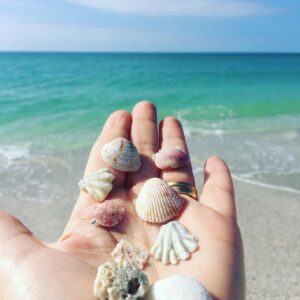
Cross the causeway early and make your first stop the Causeway Islands Park — the little beach-lined islands right as you come onto Sanibel. There’s free parking, easy beach access, and it’s a beautiful spot to watch the morning come up over the water before the day gets busy.
Then get to a shelling beach while the tide is low. Sanibel’s east-west curve acts like a net, catching shells from the Gulf and laying them along the shore by the thousands — it’s why the island is called the Seashell Capital of the World. Bowman’s Beach and Blind Pass (between Sanibel and Captiva) are two of the best spots for whelks, conchs, coquinas, and the occasional prized junonia. You’ll quickly recognize the local pose: the bent-over “Sanibel Stoop” of a serious sheller. Bring a bucket, and remember the rule — no live shelling; if something’s still home inside, leave it.
Mid-Morning: Wildlife at “Ding” Darling
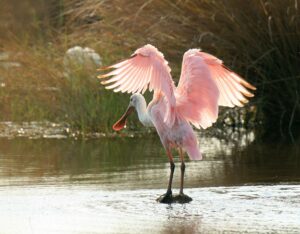
A few minutes away is the J.N. “Ding” Darling National Wildlife Refuge, one of the country’s great birding spots and a highlight of any island visit. The four-mile Wildlife Drive winds through mangroves and tidal flats where you’ll spot herons, egrets, roseate spoonbills, and more, especially around low tide. Entry is around $10 per vehicle, and the visitor center is free.
One important timing note: Wildlife Drive is closed on Fridays, so plan your day trip for another day of the week if the refuge is on your list. If you’d rather be on the water, Tarpon Bay Explorers inside the refuge runs guided kayak and tram tours — a lovely way to see it all at a slower pace.
Late Morning: The Shell Museum & Aquarium
By now you’ve found a pocketful of shells you can’t identify — which makes the Bailey-Matthews National Shell Museum & Aquarium the perfect next stop. It’s the only museum in the country devoted to shells and mollusks, and it’s far more fun than that might sound. The Great Hall of Shells helps you name your beach finds, while the downstairs aquarium gallery has touch pools, live mollusks, and a resident giant Pacific octopus that’s a guaranteed kid-pleaser. Time your visit around a Keeper Chat (held late morning and again mid-afternoon) to hear the aquarists talk through the tanks. Open daily; parking is free.
It’s a genuinely good air-conditioned break in the middle of the day, whatever the weather’s doing outside.
Lunch: Island Flavor
Sanibel’s dining scene has steadily come back, and you’ve got good options depending on your mood. For a classic island breakfast-into-lunch institution, the Lighthouse Café is a longtime favorite. If you’d rather keep it simple and picnic on the beach, Bailey’s General Store has deli items, baked goods, and everything you need to put a beach lunch together.
If you can hold out, though, consider saving your appetite — because the afternoon takes you up to Captiva, where some of the area’s most famous tables are waiting.
Afternoon: Cross Over to Captiva
Drive north along Sanibel-Captiva Road and over the bridge at Blind Pass — pull over at Turner Beach if you want another shot at shelling, as the pass churns up some of the best finds anywhere on the islands (the current here is strong, so it’s better for wading and beachcombing than swimming).
Captiva village is tiny, walkable, and full of character. Wander Andy Rosse Lane, browse the art galleries and beach shops, and soak up the laid-back, old-Florida feel. It’s the kind of place where an afternoon slips by without you noticing.
Sunset: The Grand Finale

Captiva faces west, which makes it one of the best sunset spots in all of Southwest Florida — the perfect way to close out the day before the drive home.
The beachfront Mucky Duck is the legendary choice: a beloved restaurant right on the sand where people gather to watch the sun go down (expect a wait, and know that it’s worth it). For something whimsical and iconic, the famously over-the-top Bubble Room is back and serving — first-come, first-served, so go a little early. Or simply spread a towel on the beach at Turner Beach or the Captiva shoreline and watch the sky put on its show for free.
Then it’s an easy drive back over the causeway to your Cape Coral rental — sandy, sun-tired, and already planning your next island day.
A Sample One-Day Flow
For anyone who likes a plan at a glance:
- 8:00 a.m. — Leave Cape Coral, cross the causeway
- 8:45 a.m. — Shelling at Bowman’s Beach or Blind Pass (low tide)
- 10:30 a.m. — “Ding” Darling Wildlife Drive (not Fridays)
- 11:45 a.m. — Bailey-Matthews Shell Museum & Aquarium
- 1:00 p.m. — Lunch on Sanibel
- 2:30 p.m. — Drive to Captiva; Turner Beach + Captiva village
- 5:00 p.m. — Settle in for sunset
- 6:30 p.m. — Dinner on Captiva, then home
Adjust freely — this is a relaxed framework, not a schedule to race through. The islands are best enjoyed slowly.
Staying with us in Cape Coral? This whole day sits about 45 minutes from your door, which is exactly what makes Cape Coral such a smart home base — island days when you want them, and your quiet canal-side retreat to come home to. Ask us and we’re always happy to share a current tide chart and our latest island recommendations.
Planning more of your trip? See our complete Cape Coral family vacation guide and our roundup of local wildlife you’ll actually see while you’re here.
<!– INTERNAL LINKS TO ADD ONCE LIVE: – “Cape Coral family vacation guide” (Oct pillar post)