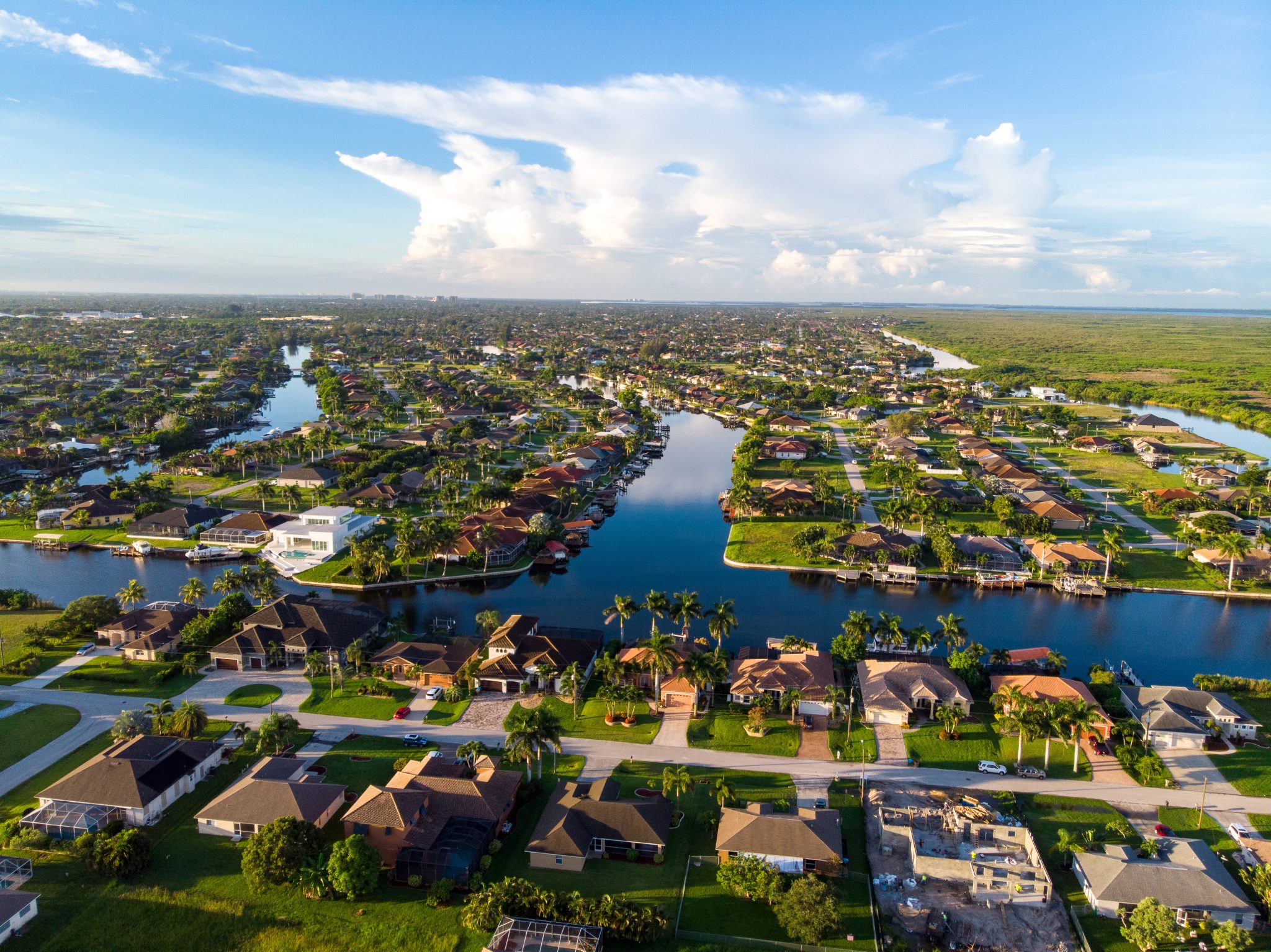
Plenty of Florida towns promise wildlife and then hand you a parking lot and a hopeful pair of binoculars. Cape Coral is different. With more than 400 miles of canals, thousands of acres of preserves, and a famous little owl that nests right in the front yards of ordinary neighborhoods, this is a place where you don’t have to get lucky to see something wonderful — you just have to know where to look.
This isn’t a list of rare creatures you’ll probably never spot. It’s a realistic guide to the wildlife you can genuinely expect to encounter on a Cape Coral trip, where to find each one, the best time of year to look, and how to watch respectfully so these animals stay wild and safe.
The Burrowing Owls (Yes, Really in the Neighborhoods)
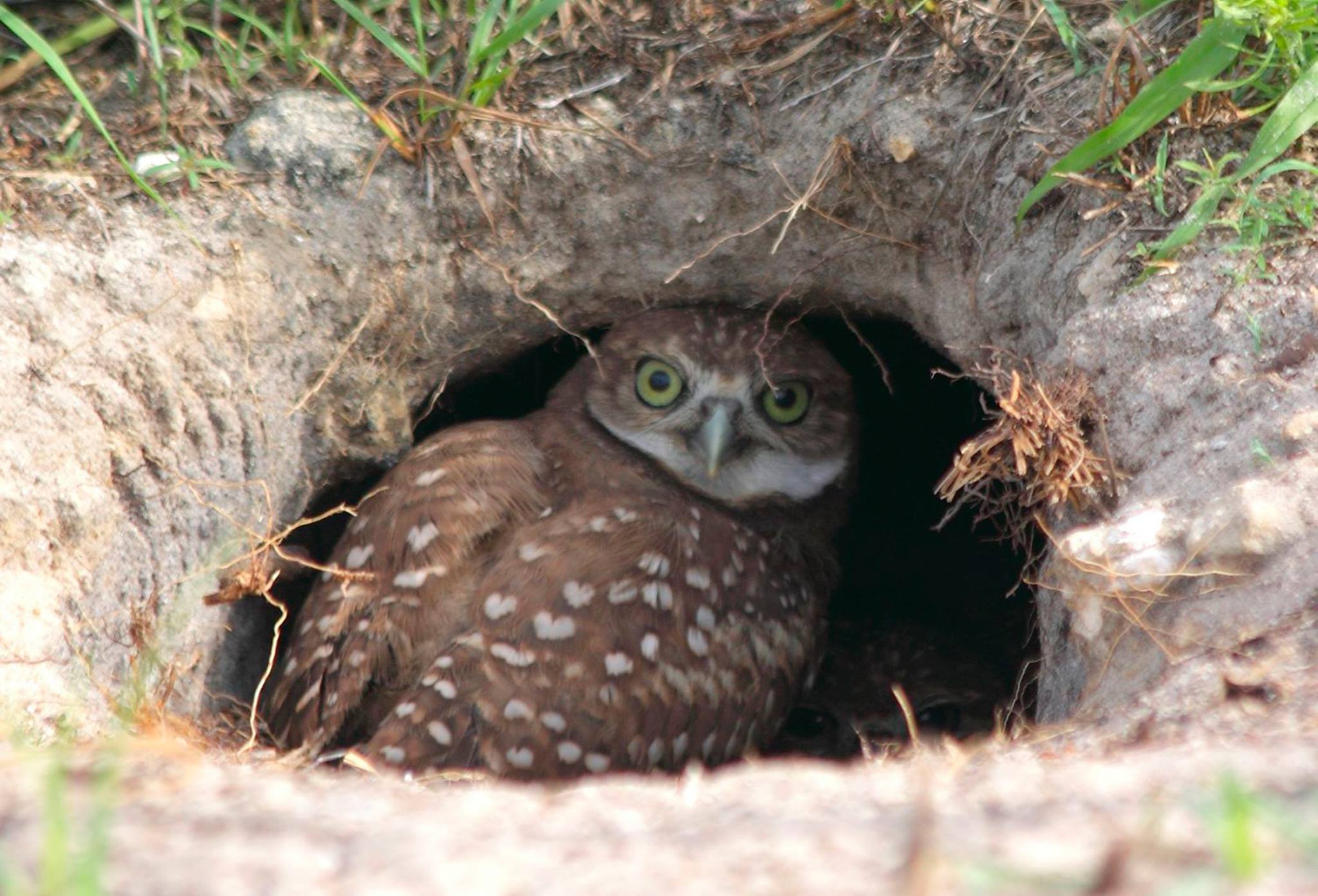
If Cape Coral has a mascot, it’s the burrowing owl — the city’s official bird, and the one creature you should make a point of seeing. Cape Coral is home to the largest population of Florida burrowing owls anywhere in the world, with thousands of birds and well over 2,000 burrows scattered across the city.
What makes them so easy to see is that, unlike almost every other owl, they’re active during the day and they nest underground in open, sandy lots — often right in established neighborhoods. They’re tiny (about 9 inches tall, with long legs and bright yellow eyes), endlessly photogenic, and frequently found standing sentry on a perch beside their burrow.
Where to look: Drive slowly through the residential streets of southwest Cape Coral and watch for burrows marked with white PVC stakes and small cross-perches — the city marks known nests to protect them. Rotary Park also runs guided tours during the season, and the City of Cape Coral will provide a map of recommended public viewing spots if you email the wildlife office.
When: You can see owls year-round, but nesting season (roughly mid-February through early July) is the most active and rewarding, with fluffy owlets emerging from the burrows in spring. Early morning, about half an hour after sunrise, and the last 90 minutes before sunset are the golden windows.
Watch responsibly: This matters. Burrowing owls are a protected species, and harassing them is against the law. Keep at least 30+ feet back, never approach or linger at a burrow, never feed them, and stay off private lawns. If an owl starts bobbing its head, that’s not a greeting — it’s stress, and your cue to back away. The locals are fiercely protective of their owls, and rightly so.
Bonus for winter visitors: The annual Cape Coral Burrowing Owl Festival takes over Rotary Park each year in late February — a family-friendly celebration with guided tours, expert talks, and conservation booths. Worth planning around if you’re here in season.
Dolphins (Year-Round, Right in the Canals)

Bottlenose dolphins are residents of the local waterways, and they’re one of the most reliable sightings on this whole list — no special season required. You’ll often spot them surfacing in the canals, around the river mouth, and out in the Gulf, frequently riding the wake behind boats.
Where & when: A morning dolphin-watching cruise (find some recommendations in our Local Attractions Guide) is the surest way to see them up close, but patient watchers spot them from docks, waterfront restaurants, and bridges too. Any time of year works.
Manatees (Worth Timing Your Trip For)
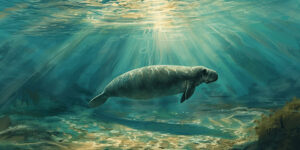
Manatees are the gentle giants everyone hopes to see — and here’s the honest truth that most guides skip: they’re a cool-season animal here. When Gulf water temperatures drop in the winter, manatees crowd into warmer spots, which is when and where you’re almost guaranteed to find them. In the warm summer months they disperse and become much harder to spot.
Where: Sirenia Vista Park in Cape Coral is a local manatee-viewing spot, and Manatee Park in nearby Fort Myers — sited beside a warm-water outflow — is one of the most dependable manatee-watching places in the region.
When: Roughly December through March, on the coldest stretches especially. If manatees are at the top of your list, that’s a real reason to consider a winter visit. (We go deeper on this in our dedicated manatee-season guide.)
Wading Birds and the Preserve Regulars
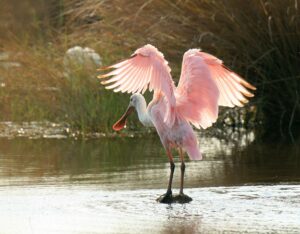
Even if you’re not a “birder,” Cape Coral’s birds are hard to miss and genuinely beautiful. The star is the roseate spoonbill — flamingo-pink and unmistakable — but you’ll also routinely see great blue herons, snowy egrets, white ibis stalking across lawns, ospreys overhead, anhingas drying their wings on canal banks, and pelicans diving offshore.
Where: The boardwalk at Four Mile Cove Ecological Preserve winds through mangroves along the Caloosahatchee and is excellent for spotting wading birds, especially around low tide. Rotary Park is a designated stop on the Great Florida Birding Trail and adds trails, an observation tower, and the Tom Allen Memorial Butterfly House. Both are free.
When: Year-round, with cooler months bringing the biggest variety as migratory species pass through. Early morning is best.
Alligators (Keep a Respectful Distance)
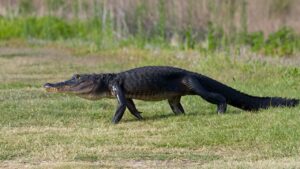
This is Florida, so yes — alligators live here too, mostly in the freshwater canals, ponds, and preserves rather than the salty gulf-access waters. Seeing one sunning on a bank is a classic Florida moment, and perfectly safe as long as you follow the cardinal rules: keep your distance, never feed them (it’s illegal and dangerous, as it teaches them to associate people with food), and keep pets and small children away from the water’s edge in freshwater areas, especially at dawn and dusk.
Where & when: Freshwater preserve edges and quiet canal banks; most active in warmer months.
A Few Lucky Extras
Spend enough time outdoors here and you may add some bonus sightings: gopher tortoises, a threatened keystone species that shares the same dry, sandy habitat as the owls; bald eagles, which nest in the area (Southwest Florida is home to several famous, closely-watched nesting pairs); and, on the Gulf beaches a short drive away, sea turtle nesting season runs through the summer and into fall, with marked nests along the dunes.
The Golden Rule of Watching Wildlife Here
Everything on this list survives because people give it room. A few principles cover almost every situation: keep a generous distance, never feed any wild animal, don’t block traffic or trespass on private property to get a photo, use a zoom lens instead of stepping closer, and if an animal changes its behavior because of you, you’re too close. Watching wildlife well means leaving no trace that you were ever there — which is exactly what keeps these encounters possible for the next visitor, and the next generation of owls.
Staying with us in Cape Coral? A surprising amount of this is within a few minutes of our rentals — burrowing owls a short drive away, dolphins in the canals, herons on the seawall at sunrise. Ask us and we’ll point you toward what’s being seen near you this week.
Keep exploring: see our full manatee-season guide for the best winter viewing, and our Cape Coral family vacation guide for more ways to fill your trip.
<!– INTERNAL LINKS TO ADD ONCE LIVE: – “Cape Coral family vacation guide” (Oct pillar post) –>